


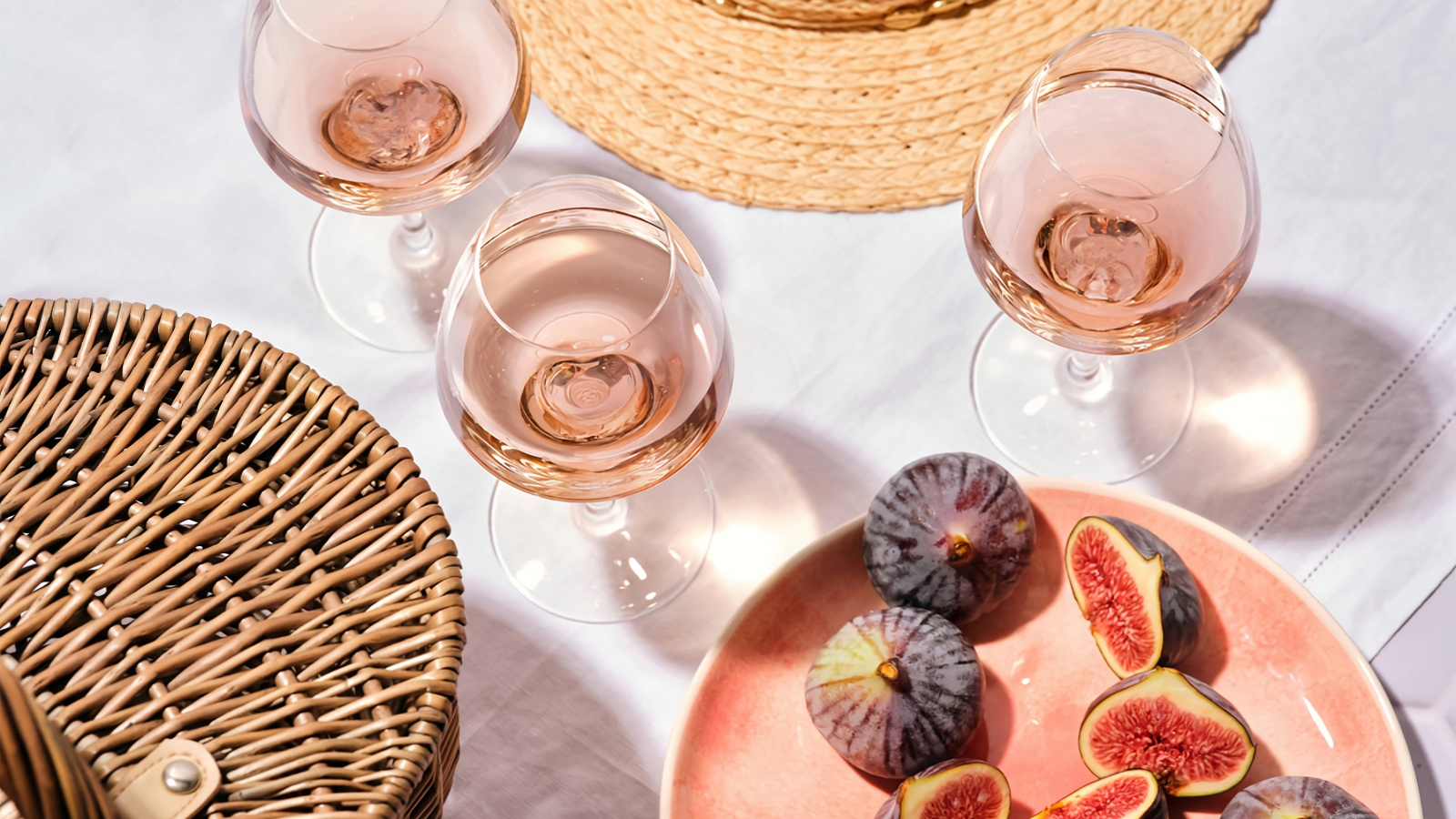
The Essential Vins de Provence Wines
Provence
is the only major vineyard in the world specializing in Rosé…
…and it is in this specificity that the elements which make it the producing region of the best rosé wines in the world are rooted.
Being a rosé specialist means thinking about rosé from vine to glass, relying on key pillars, including:
The best rosé wine terroir in the world
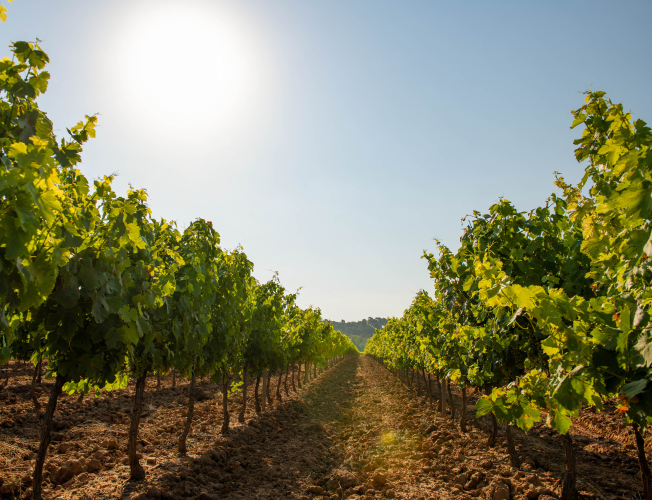
The wine-growing region of Provence, home to the 3 PDOs Côtes de Provence, Coteaux d'Aix-en-Provence And Coteaux Varois en Provence, extends 200 km from east to west, and 100 km from north to south from the foothills of the Alps to the Mediterranean.
From Sainte-Victoire to the island of Porquerolles, from Sainte-Baume to Esterel, these landscapes, known throughout the world for their spectacular beauty, also shelter a mosaic of terroirs and exceptional conditions conducive to the cultivation of vines and the production of extremely healthy grapes, a sine qua non condition for the production of exceptional rosés.
The harmony between the natural environment and the planted grape varieties (primarily Grenache, Cinsault, and Syrah) is remarkable for the production of exceptional rosé wines. The floral and fruity notes of Grenache, the freshness and finesse of Cinsault, and the intensity and beautiful acidity of Syrah offer a privileged range of expression.


Expertise entirely focused on rosé wine
Rooted in a heritage and tradition spanning thousands of years, with the earliest traces of vine cultivation in Provence dating back to the Phocaeans around 600 BC and later developed during the Roman period around 200 BC, the rise and international reputation of Vins de Provence also find their origins in more recent history.
It was in the late 1970s that visionary and committed winemakers took the bold step of focusing on high-quality rosé. They gradually organized themselves around the three Vins de Provence PDOs (Côtes de Provence, Coteaux d’Aix-en-Provence, and Coteaux Varois en Provence), with precise specifications and ever-increasing quality standards.
Benefiting from an exceptional environment, possessing historical expertise and pioneering major technical choices entirely dedicated to rosé wine, the vineyards of Provence base the identity of their rosés on a particularly solid foundation of quality.,
Unlike other vineyards that have chosen to make red or white their signature, and with nearly 90% of its production oriented towards rosé, Provence dedicates the best of its grapes to its great rosé vintages.
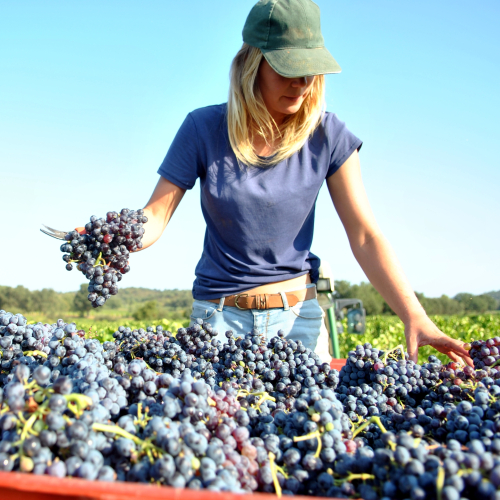
From selecting the finest grapes and harvesting at night to continuously monitoring the winemaking process, every step of the winemaking process in Provence, from vine to cellar, is meticulously planned with the delicate nature of great rosé wines in mind. These wines are particularly challenging to produce, demanding mastery, precision, and a high degree of expertise.

A style of rosé wine that has become a benchmark
While the expressions of Provence rosés demonstrate great diversity, there are nevertheless common markers that allow us to define a wine style built around:
- of a pale dress
- of a beautiful aromatic complexity with fruity and floral notes
- with an elegant mouthfeel, roundness, and liveliness
- refreshing finish

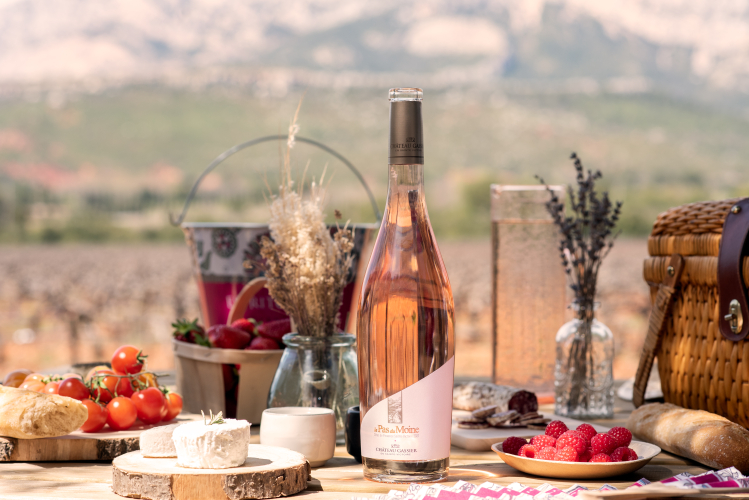


PDO – Protected Designation of Origin
It is the highest quality and origin label at the European level. The PDO designation identifies a product whose entire production process is carried out according to recognized expertise within a specific geographical area, thus giving the product its unique characteristics. Unlike the PGI label, which generally covers much larger areas, the PDO covers relatively small areas and is governed by much stricter specifications, including lower yields and a limited number of grape varieties adapted to the terroir.
Food and wine pairings
Appetizer/Starter
Slightly tangy and salty dishes (a salad, tomatoes, a sea bream carpaccio with avocado) pair perfectly with the freshness of rosé wines from Provence.

Flat
The diverse expressions of Provence rosé wines allow them to complement a wide variety of fish, meat, or vegetarian dishes, from the simplest to the most refined.

Cheese
Thanks to their lovely freshness and vivacity, Provence rosés pair perfectly with soft cheeses (Gorgonzola, Saint-Marcellin) and/or fresh goat and sheep cheeses.
