


Back to the list
Moulin Brûlat



About
- Pets allowed
The first known mills in Gassin were the work of the Romans: they were hand mills. Only archaeological discoveries provide information on this point.
In the centuries that followed, watermills were established, but in this region of Provence without a major watercourse and where periods of drought are long, their output was low and irregular.
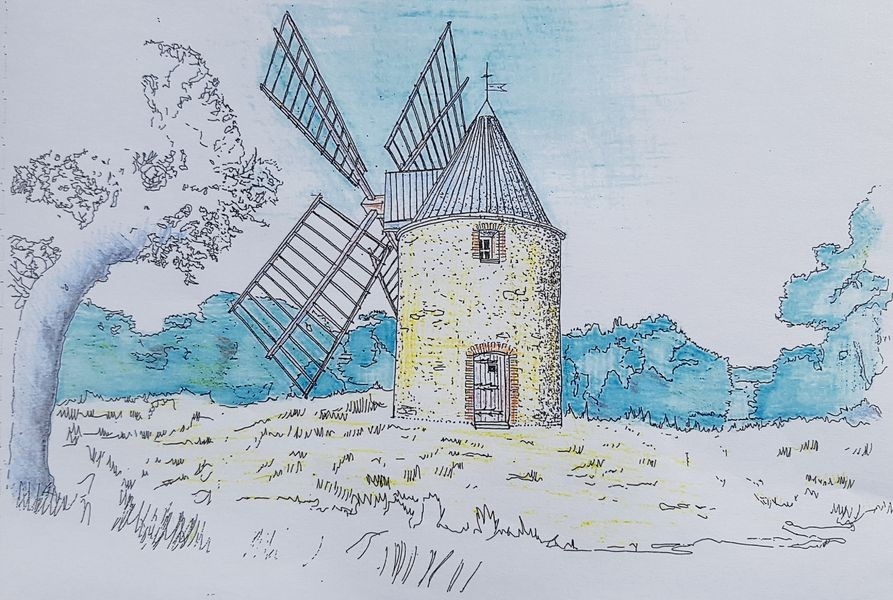
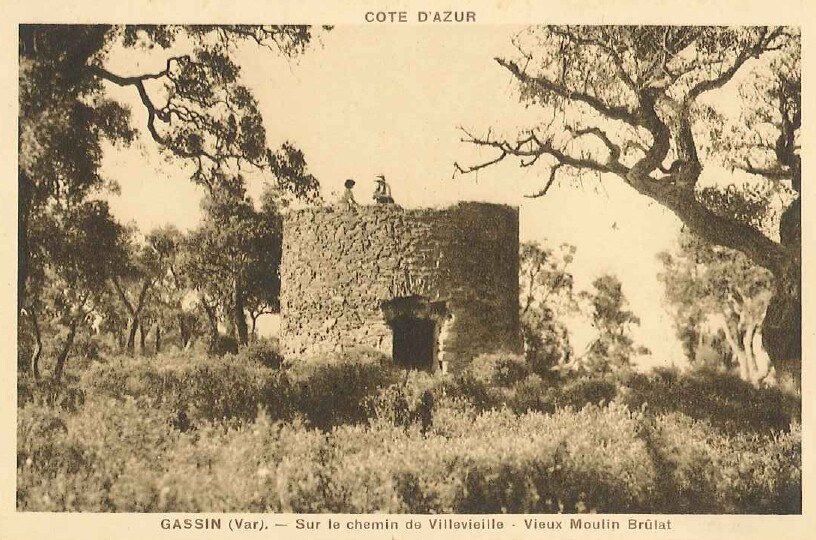
The expansion of windmills in the Middle Ages was revolutionary. Sites like this one, perched on a north-south ridge, were used to take full advantage of the winds: the Mistral and the East wind. The Brûlat mill allowed the village community to grind wheat and obtain an essential element of life at that time: flour. Several other windmills were built: notably in Saint-Martin, Bestagne, and at Bertaud Castle.
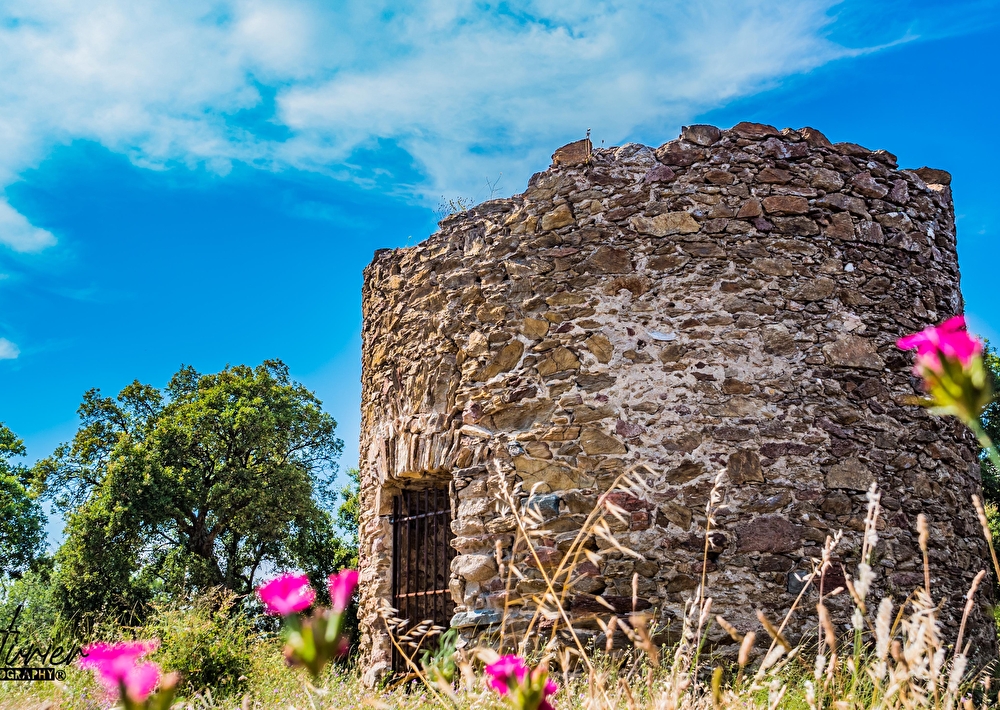
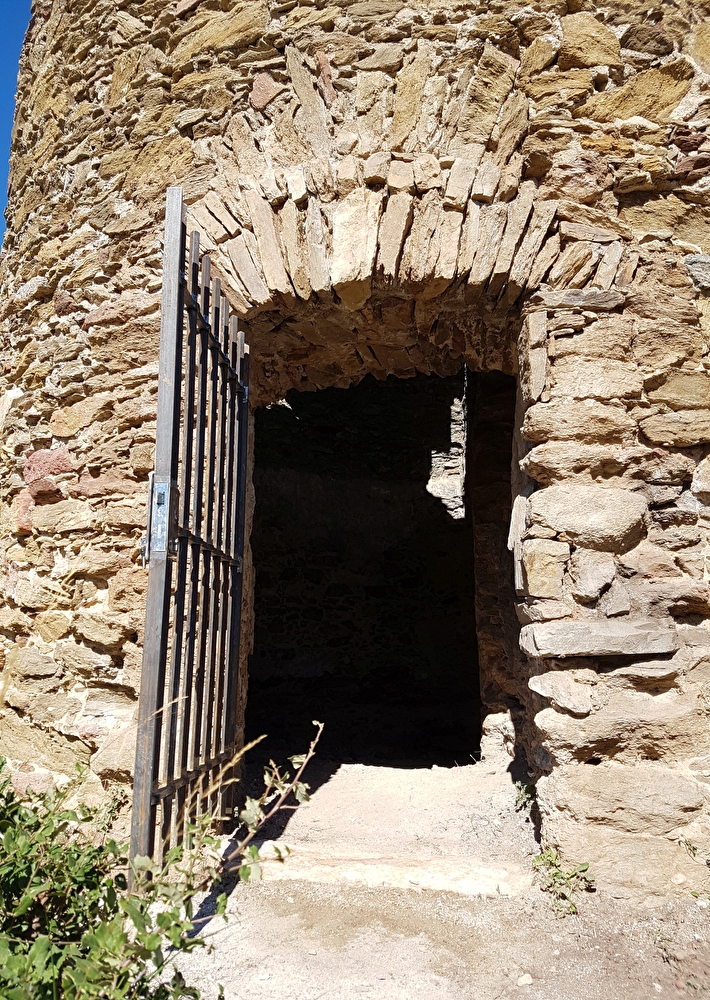
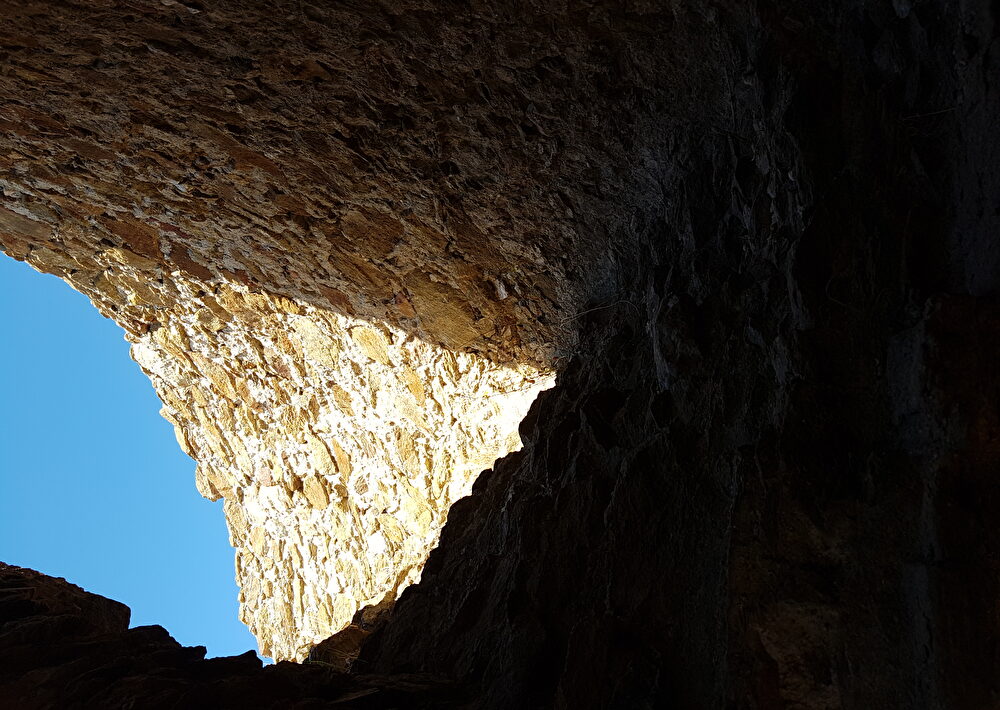
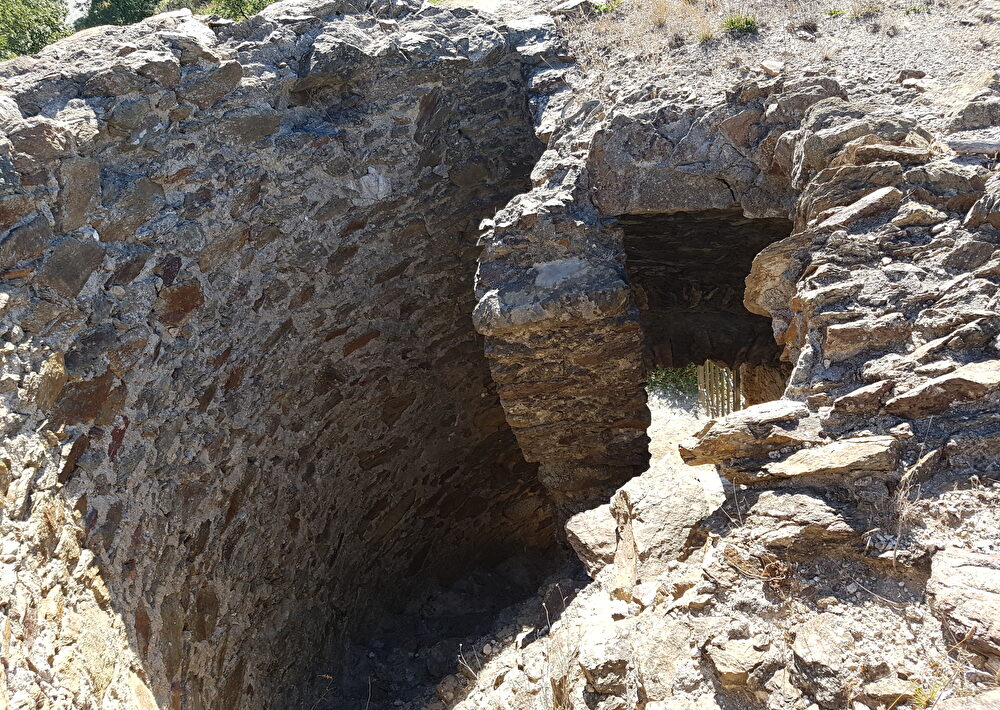
The Brûlat mill is typical of Provençal mills, although its diameter is slightly smaller than average (5.8 m). It still retains its original shaft, constructed of local stone mortared with lime. The wall is approximately 1 meter thick at the base and 80 meters at the top. The partially collapsed interior vault is also made of stone. A staircase begins to the right of the entrance; it provided access to the upper floor where the millstone was located. The brickwork around the millstones has disappeared, as has the exterior plasterwork.
The place names recall the importance of mills in the past: Moulin Brûlat, de Bestagne, de Verdagne, Patty, Aire du Moulin vieux, Le Moulin, Les Mollins, lo Molin Aurier, Lo Molin Rodier, Mollin d'eau, Lo Molin dels Benes ...
The village also housed animal-powered mills, used for olive oil.
At the beginning of the 19th century, the millstones used were produced far from the Gulf of Saint-Tropez and arrived via Marseille. At the time, there were three windmills operating in Gassin, one belonging to Mademoiselle Castelanne and the other two to Messrs. Garachon and Meyriès. The latter also owned one of the three watermills in the town of Gassin. These watermills only operated for a few months each year when the river was swollen by heavy rainfall.
In 1850, three factories operated under the direction of the three millers who owned Gassin, Messrs. Bonnard, Héraud and Rimbaud, employing a total of 5 people.
The rise of industrial factories (two steam-powered factories were created in Cogolin and La Môle and two more in Grimaud in the 20th century) sounded the death knell for the factories of Gassin.
The origin of the name Brûlat is not known: Brûlat is a family name attested in Provence, but not in the Gulf before the 20th century, in a very isolated way; the name may derive from the clearing of this land or from a fire that may have occurred there.
- Languages spoken: French
- Animals : Accepted
- Environment : Vineyard view, Public transport stop within 500 m, Bus stop within 500 m, Village within 2 km
- Visits: Self-guided group tours are always available
Prices
Free.
Schedules
From 01/01/26 to 31/12/26
- Monday : Open
- Tuesday : Open
- Wednesday : Open
- THURSDAY : Open
- Friday : Open
- SATURDAY : Open
- Sunday : Open
Contact
TOURIST OFFICE
Villevieille Road
83580 Gassin
83580 Gassin
Access
This might interest you
-
 Hike along the Chemin de la Chapelle Notre-Dame-de-la-Consolation Gassin
 -
 Hiking with panoramic views of the Gulf of Saint-Tropez and the Bay of Cavalaire Gassin
 -
 Hiking the Sea Trail Gassin
 -
 Mountain biking trail along the Sea Gassin
 -
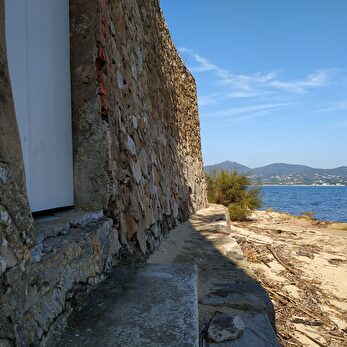 Coastal Path in Saint-Tropez Gassin
 -
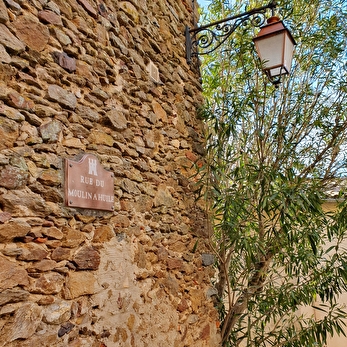 Factory Street and Oil Mill Street Gassin
