


Back to the list
Brue Dovecote
About
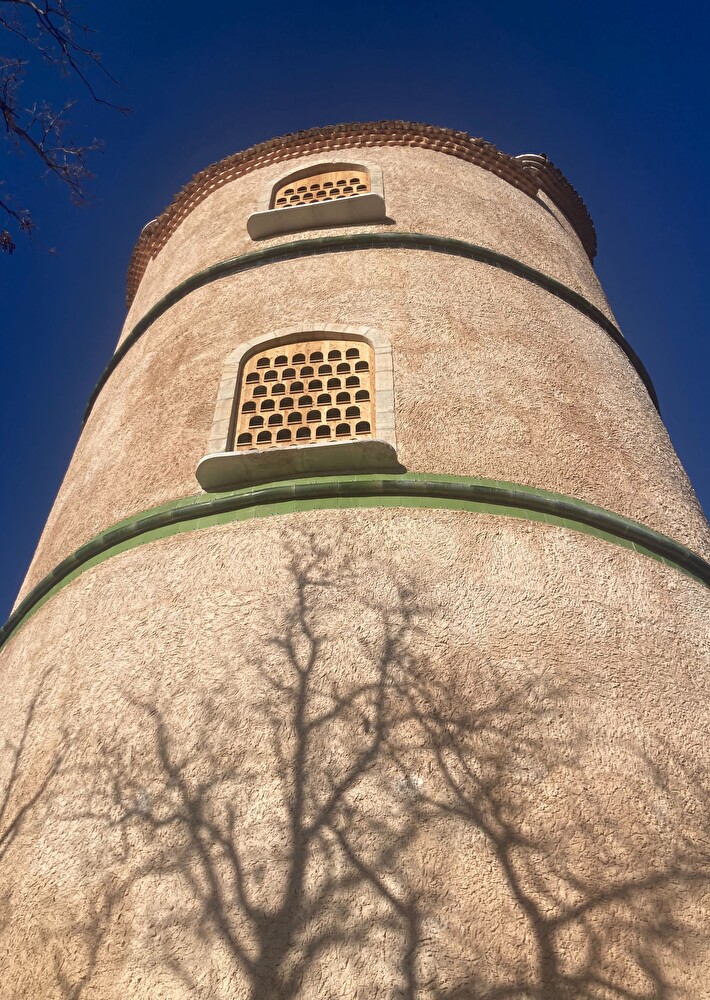
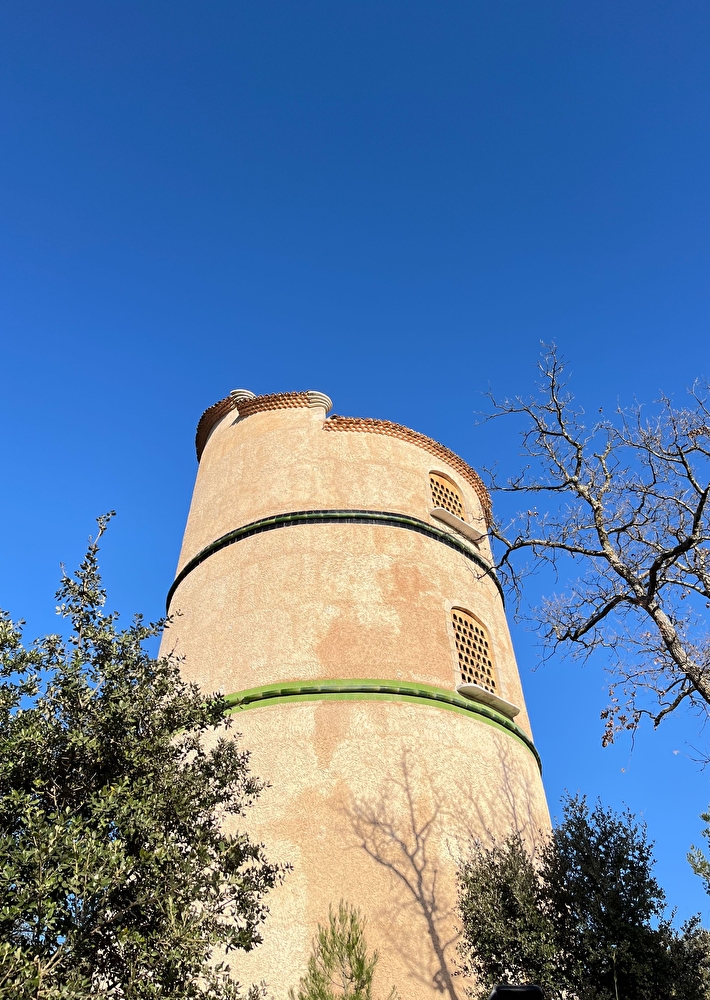
The dovecote was built around 1750 by Georges Roux de Corse, a shipowner from Marseille who bred homing pigeons. It is a cylindrical tower 22.5 meters high and 12.43 meters in diameter. Dovecotes, whether freestanding like the one in Brue-Auriac or incorporated into farm buildings, were an essential element of daily life in Provence. Indeed, they provided a valuable food source and allowed for the production of highly effective fertilizer.
Before the Revolution, the structure of dovecotes indicated the status of their owners. Thus, only lordly dovecotes could be "freestanding," meaning those in which the pigeon nests were built from the ground floor to the top of the building. This is the case with the dovecote at Brue-Auriac. This "lordly" type contrasted with the dovecote simply located on the upper part of a building, the most common system. Furthermore, only lords could have dovecotes with loopholes and crenellations, to prevent anyone else from using this architecture for defensive purposes.
The dovecote of Brue-Auriac, the largest recorded in France from the 18th century, is built on a circular plan, so that a rotating ladder could be installed allowing individual access to each of the nests called "boulins": a vertical tree erected in the center of the tower supported a vertical or inclined ladder moving a short distance from the wall.
- Languages spoken: French
- Animals : Not available
Schedules
From 01/01/26 to 31/12/26
- Monday : Open
- Tuesday : Open
- Wednesday : Open
- THURSDAY : Open
- Friday : Open
- SATURDAY : Open
- Sunday : Open
Visible only from the outside.
Contact
83119 Brue-Auriac
